
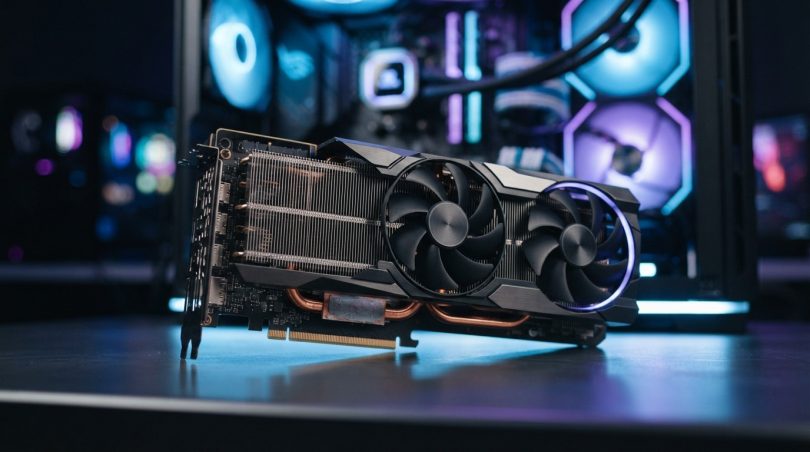

Building or upgrading a gaming PC has become an increasingly expensive hobby. With new graphics cards often costing hundreds, sometimes thousands, of dollars, many gamers are looking for smarter ways to get powerful performance without draining their savings. This is where refurbished GPUs for gaming have started gaining serious attention. They offer a middle ground between overpriced new cards and risky used purchases from unknown sellers, giving budget conscious gamers a legitimate path to strong performance.
However, before you rush to buy refurbished graphics cards for your next build, it is important to understand exactly what you are getting into. Refurbished does not always mean the same thing across sellers, and the quality of your purchase can vary significantly depending on where you buy from, how the card was tested, and what kind of warranty backs it up. In this article, we will break down everything a buyer should know before purchasing a refurbished graphics card for gaming, so you can make a confident and informed decision.
What Does “Refurbished” Actually Mean?
Before diving deeper into refurbished GPUs for gaming, it helps to clarify what the term actually means. A refurbished GPU is typically a card that was previously used, returned, or found to have a minor defect, and has since been inspected, repaired if necessary, cleaned, and tested to ensure it functions properly. Unlike a simple used card sold as is, a properly refurbished GPU usually goes through quality control checks performed by the manufacturer, an authorized reseller, or a specialized refurbishing company.
That said, not all refurbished cards are created equal. Some may have been returned due to a manufacturing defect and repaired at the factory, while others might be cards pulled from mining rigs or corporate systems that simply needed a cosmetic refresh. Consequently, understanding the source and testing process behind a refurbished card is just as important as checking its specifications.
The Difference Between Refurbished, Used, and Open Box
Many buyers confuse these three categories, so it is worth taking a moment to distinguish them. A used GPU is sold without any guarantee of testing or repair, meaning you are essentially trusting the seller’s word. An open box GPU, on the other hand, was likely never used at all, simply returned unopened or barely touched, then resold at a discount. Refurbished GPUs for gaming fall somewhere in between, since they have gone through an actual inspection and certification process, which generally makes them a safer bet than a random used listing.
Why Consider Refurbished GPUs for Gaming Builds
There are several compelling reasons why gamers are turning to refurbished hardware instead of buying brand new. First and foremost, the cost savings can be substantial. Depending on the model, refurbished cards can be priced anywhere from 20 to 40 percent lower than their new counterparts, which makes a noticeable difference when building a complete rig.
Additionally, buying refurbished allows gamers to access higher tier cards that might otherwise be out of reach. Instead of settling for an entry level GPU at full price, you could potentially snag a mid range or even high end card refurbished for a similar budget. This opens the door to better frame rates, higher resolutions, and smoother gameplay without stretching your finances too thin.
Environmental considerations also play a role for many buyers. Choosing refurbished GPUs for gaming setups reduces electronic waste by giving hardware a second life instead of letting it end up in a landfill. For gamers who care about sustainability alongside performance, this is a meaningful bonus.
Performance Expectations You Should Have
While refurbished cards can absolutely deliver strong gaming performance, it is wise to keep realistic expectations. A refurbished GPU will generally perform identically to a new unit of the same model, since the underlying architecture and specifications do not change. However, factors like thermal paste degradation, fan wear, or prior overclocking history can occasionally affect long term reliability. This does not mean every refurbished card will have issues, but buyers should factor in a slightly higher chance of needing maintenance down the road compared to a brand new purchase.
Key Factors to Check Before You Buy Refurbished Graphics Cards
Now that you understand the basics, let us look at the practical steps you should take before making a purchase. Skipping these checks can turn a good deal into a frustrating experience, so it is worth taking your time here.
Check the Seller’s Reputation
Not all sellers offer the same level of quality control, so researching the reputation of the retailer or platform is essential. Established sellers with clear refurbishment processes, verified customer reviews, and transparent grading systems are far more trustworthy than random third party listings with little accountability. Look for sellers who specialize in refurbished tech or who are certified partners of the original GPU manufacturer, since these tend to follow stricter testing standards.
Review the Warranty Terms
One of the most important things to verify is whether the card comes with a warranty. A solid warranty period, ideally 90 days or longer, gives you peace of mind in case something goes wrong shortly after purchase. Cards sold without any warranty coverage should raise a red flag, since this often indicates the seller is unwilling to stand behind the product’s condition. When shopping for refurbished GPUs for gaming, always prioritize listings that clearly state their return and warranty policies.
Inspect the Grading System
Many refurbishing companies use grading scales, such as A, B, or C grade, to indicate the cosmetic and functional condition of the card. An A grade card typically looks nearly new with minimal wear, while lower grades might show visible scratches or minor cosmetic imperfections despite functioning perfectly. Understanding these grading systems helps you set accurate expectations before the card arrives at your doorstep.
Ask About Mining History
Given the cryptocurrency mining boom of recent years, a significant number of used and refurbished cards on the market previously ran mining operations around the clock. While mining does not automatically ruin a GPU, prolonged use under heavy load can accelerate wear on fans and thermal components. Reputable sellers should be transparent about a card’s history, so do not hesitate to ask directly if this information is not listed.
Balancing Price and Performance
When shopping for refurbished GPUs for gaming, it is tempting to simply chase the lowest price available. However, the smarter approach is to balance affordability with actual performance needs. Consider what games you plan to play, what resolution and frame rate targets you have, and how long you expect the card to last before your next upgrade. A slightly more expensive refurbished card with a longer warranty and better grading might ultimately offer more value than the cheapest option on the market.
It also helps to compare refurbished prices against current new card prices for similar or slightly older models. Sometimes the price gap is narrow enough that buying new makes more sense, especially if warranty coverage and peace of mind matter more to you than saving a small amount of money.
Final Thoughts
Refurbished GPUs for gaming builds offer a genuinely smart way to access powerful hardware without paying full retail price, provided you approach the purchase with the right knowledge and caution. From checking seller reputation and warranty terms to understanding grading systems and mining history, a little research goes a long way in ensuring you end up with a reliable card rather than a regretful purchase.
As the gaming hardware market continues to evolve, refurbished options are only becoming more mainstream and more trustworthy, thanks to improved testing standards and growing consumer demand. Whether you are building your first gaming PC on a budget or upgrading an aging rig, taking the time to buy refurbished graphics cards from a reputable source can be one of the best financial decisions you make for your setup. With careful research and realistic expectations, you can enjoy excellent gaming performance while keeping your wallet, and the planet, a little happier in the process.